Composite Veneers vs Porcelain
Composite Veneers vs Porcelain Veneers: Which Is Right for You?
If you’re considering improving the appearance of your smile, you’ve likely come across two common options: composite veneers and porcelain veneers.
Both treatments can be used to improve the appearance of teeth affected by concerns such as discolouration, small chips, spacing, uneven tooth shape and minor aesthetic imperfections. However, the materials, treatment process, longevity, maintenance requirements and cost can differ considerably.
So, when comparing composite veneers vs porcelain veneers, which option is right for you?
The answer depends on your individual teeth, oral health, bite, aesthetic goals and expectations for treatment.
At Dental Implants & Aesthetics, our approach to aesthetic dentistry begins with understanding the individual rather than simply selecting a material. A comprehensive assessment allows your dentist to determine whether composite, porcelain, or another restorative approach is appropriate for your smile.
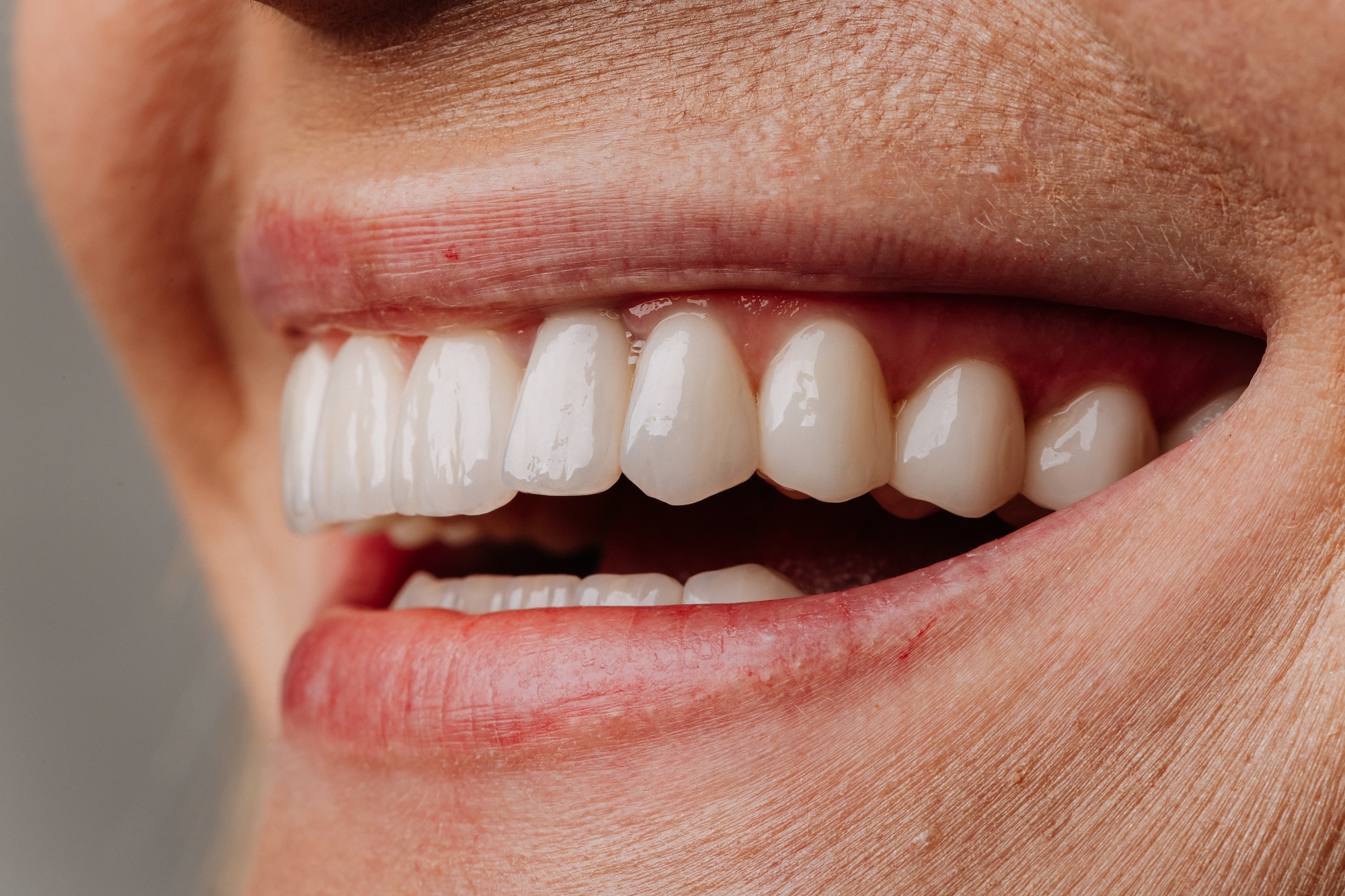
What Are Composite Veneers?
Composite veneers, sometimes called composite resin or resin veneers, use a tooth-coloured composite material that is bonded directly to the surface of the tooth.
The composite resin can be carefully layered, shaped and polished to alter the appearance of the teeth.
Composite veneers may be considered for concerns including:
- Minor chips or fractures
- Small gaps between teeth
- Discolouration
- Slightly uneven tooth shape
- Minor aesthetic irregularities
- Small changes to tooth size or proportions
One of the key advantages of composite veneers is their conservative nature. In many cases, little to no preparation of the natural tooth is required, although some tooth preparation may be appropriate depending on the position and shape of the teeth.
DIA describes composite veneers as a minimally invasive option that can generally be completed in one or two appointments.
What Are Porcelain Veneers?
Porcelain veneers are thin, individually fabricated ceramic restorations designed to cover the visible surface of a tooth.
Unlike composite veneers, porcelain veneers are fabricated outside the mouth, usually through a dental laboratory or digital workflow, before being bonded to the prepared tooth.
Porcelain veneers can be used to address a range of aesthetic concerns, including:
- Tooth discolouration
- Chipped or fractured teeth
- Minor tooth misalignment
- Gaps
- Uneven tooth shape
- Uneven smile proportions
At DIA, porcelain veneers can be digitally planned and individually designed, with consideration given to factors such as tooth shape, colour, translucency, facial proportions and the overall appearance of the smile.
Composite Veneers vs Porcelain Veneers: At a Glance
| Composite Veneers | Porcelain Veneers | |
|---|---|---|
| Material | Composite resin | Dental porcelain/ceramic |
| Treatment process | Applied directly to teeth | Custom fabricated before placement |
| Appointments | Often 1–2 | Usually involves multiple stages |
| Tooth preparation | Minimal to none in many cases | May require some enamel preparation |
| Longevity | Generally shorter | Generally longer |
| Stain resistance | More susceptible to staining | Highly stain resistant |
| Repairs | Can often be repaired or polished | May require replacement if damaged |
| Cost | Generally more affordable | Generally higher investment |
| Best suited to | Minor aesthetic changes and conservative treatment | More comprehensive aesthetic changes and longer-term restoration |
These differences are general considerations. The appropriate treatment depends on your individual clinical circumstances.
How Long Do Composite Veneers Last?
Longevity is one of the biggest differences when comparing composite veneers with porcelain.
DIA’s current clinical information indicates that composite veneers can typically last around 5–7 years, although this varies depending on factors such as oral hygiene, bite, lifestyle and how the restorations are maintained.
Composite resin is more susceptible to:
- Chipping
- Wear
- Surface staining
- Discolouration over time
One advantage, however, is that composite can often be repaired, reshaped or polished if a small area becomes damaged or worn.
This can make composite an appealing option for patients who value a conservative approach and understand that maintenance may be required over time.
How Long Do Porcelain Veneers Last?
Porcelain veneers are generally more durable and resistant to staining than composite resin.
DIA’s current veneer information indicates that porcelain veneers can last 10–15 years or longer with appropriate care, although no dental restoration lasts indefinitely and longevity varies between individuals.
Factors that can influence the lifespan of porcelain veneers include:
- Oral hygiene
- Gum health
- Bite forces
- Bruxism or tooth grinding
- Diet and lifestyle
- Regular dental maintenance
- The condition of the underlying teeth
A night guard may be recommended for patients who grind or clench their teeth to help protect their restorations.
Which Looks More Natural: Composite or Porcelain?
Both materials can be used to create natural-looking results when carefully planned and placed.
However, porcelain has optical properties that can allow it to replicate some of the translucency, light reflection and depth associated with natural tooth enamel.
The final aesthetic outcome is influenced by much more than the material itself.
To create a natural-looking smile, your dentist may consider:
- Tooth proportions
- Facial features
- Smile line
- Tooth shape
- Tooth colour
- Translucency
- Gum position
- Bite
- The relationship between the teeth and surrounding facial structures
At DIA, porcelain veneers may be digitally designed using CAD-CAM technology, allowing the team to assess elements of the proposed smile design before treatment proceeds.
Composite Veneers vs Porcelain: What’s the Difference in Cost?
Cost is naturally an important consideration when choosing between composite and porcelain veneers.
Generally, composite veneers are more affordable than porcelain veneers because composite can be applied directly to the teeth, while porcelain veneers require individual fabrication and additional laboratory or digital processes.
DIA’s current price guide lists porcelain veneers from $2,200 per tooth, with the final fee dependent on the type of porcelain veneer and individual treatment requirements.
There is no universal price for composite veneers because treatment costs can vary depending on:
- Number of teeth treated
- Complexity of the case
- Amount of composite required
- Treatment planning
- Clinician
- Additional dental treatment required
It’s also important to consider long-term value rather than simply comparing the initial cost.
A lower initial treatment cost may be attractive, but composite veneers may require more frequent maintenance or replacement than porcelain. Conversely, porcelain involves a greater initial investment but may provide greater longevity and stain resistance.
Your dentist can help you understand the likely maintenance requirements associated with each option.
Which Treatment Is Less Invasive?
Composite veneers are generally considered the more conservative option.
Because composite resin can be bonded directly to the tooth, treatment may require minimal or no preparation in suitable cases. However, this does not mean composite veneers are appropriate for everyone.
Porcelain veneers can also be designed using minimally invasive techniques, but some preparation of the natural tooth structure may be required to accommodate the ceramic restoration.
The amount of preparation depends on factors including:
- Existing tooth position
- Tooth shape
- Desired changes
- Bite
- Available space
- Existing restorations
The goal should always be to preserve healthy natural tooth structure wherever clinically possible.
What Is the Procedure Like?
Composite Veneers
Composite treatment is generally completed directly in the dental chair.
The process may involve:
- Consultation and assessment
- Treatment planning
- Tooth preparation, if required
- Bonding of composite resin
- Layering and shaping
- Bite and aesthetic assessment
- Finishing and polishing
Because the material is applied directly to the tooth, treatment can often be completed relatively quickly.
Porcelain Veneers
Porcelain treatment generally involves several stages.
These may include:
- Comprehensive consultation
- Digital records and photographs
- Smile design and treatment planning
- Preparation of the teeth, where required
- Digital scanning or impressions
- Fabrication of the veneers
- Trial or provisional stage where appropriate
- Assessment of fit, colour and aesthetics
- Final bonding
- Bite and finishing checks
At DIA, digital planning can be incorporated into the treatment process to help design the proposed smile and assess the aesthetic result before final treatment.
Who Is Suitable for Composite Veneers?
Composite veneers may be appropriate for patients with generally healthy teeth and gums who are looking to make relatively minor aesthetic changes.
They may be considered for:
- Small chips
- Minor gaps
- Mild discolouration
- Slightly uneven teeth
- Minor changes to tooth shape
Composite may also appeal to patients who prefer a more conservative treatment approach or want a lower initial investment.
However, active dental disease, significant tooth wear, extensive structural damage or an unstable bite may need to be addressed before cosmetic treatment.
Who Is Suitable for Porcelain Veneers?
Porcelain veneers may be considered when a patient wants more comprehensive aesthetic changes and their underlying teeth are suitable for this type of restoration.
They may be used to address:
- Significant discolouration
- Tooth shape and proportion
- Minor spacing
- Worn or chipped anterior teeth
- Smile asymmetry
- Multiple aesthetic concerns
However, porcelain veneers are not appropriate for every patient.
Teeth with extensive decay, insufficient tooth structure, significant gum disease or certain bite conditions may require other treatment before veneers can be considered.
A comprehensive assessment is therefore an important first step.
What If Your Teeth Need More Than Veneers?
A smile that appears primarily aesthetic may sometimes have underlying functional or structural concerns.
For example, patients with significant tooth wear, missing teeth, failing restorations, bite changes or extensive damage may require a broader restorative treatment plan.
In these cases, treatment could involve a combination of:
- Porcelain crowns
- Composite restorations
- Dental implants
- Implant-supported crowns
- Bridges
- Porcelain veneers
- Onlays
- Bite rehabilitation
At DIA, full-mouth rehabilitation can combine different restorative treatments rather than relying on one material or procedure for every tooth.
This is why a smile makeover should begin with a comprehensive assessment rather than choosing veneers based solely on appearance or price.
How Do You Choose Between Composite and Porcelain Veneers?
There isn’t one option that is universally better.
The right choice depends on your:
- Oral health
- Tooth structure
- Bite
- Aesthetic goals
- Desired longevity
- Maintenance expectations
- Budget
- Lifestyle
For some patients, composite veneers provide an appropriate conservative solution. For others, porcelain veneers may offer the durability, stain resistance and aesthetic characteristics they are looking for.
In some cases, neither option may be appropriate without first addressing underlying oral health or functional concerns.
Your dentist can explain the advantages, limitations, risks and alternatives relevant to your individual circumstances.
Why Treatment Planning Matters
The material used for a veneer is only one part of the equation. A successful aesthetic treatment plan considers how the proposed restorations interact with your existing teeth, gums, bite and facial features.
At DIA, the treatment planning process may incorporate digital photographs, intraoral scans, facially driven smile design and other diagnostic records. For more complex cases, treatment may also involve collaboration between restorative dentists, prosthodontists, periodontists, dental technicians and other members of the clinical team.
Dr Sergi Miralles, for example, has a particular clinical interest in aesthetic full-mouth rehabilitation, smile design, porcelain and composite veneers, minimally invasive restorative dentistry and complex bite rehabilitation.
The objective is not simply to make teeth look different, but to develop a treatment plan that considers aesthetics alongside oral health and function.
Caring for Composite and Porcelain Veneers
Regardless of which material is selected, veneers require ongoing care.
Good habits include:
- Brush twice daily with fluoride toothpaste
- Clean between your teeth daily
- Attend regular dental examinations
- Maintain professional cleaning appointments as recommended
- Avoid biting hard objects
- Avoid using your teeth to open packaging
- Discuss grinding or clenching with your dentist
- Follow your clinician’s specific maintenance advice
Composite veneers may benefit from periodic polishing or repairs, particularly if staining or surface wear develops. Porcelain veneers are highly stain-resistant but can still be damaged by excessive forces.
Your natural teeth and gums also remain important. Veneers do not replace the need for good oral hygiene.
Composite Veneers vs Porcelain Veneers: Which Is Right for You?
The best treatment isn’t necessarily the newest, most expensive or most conservative option. It’s the option that is appropriate for your teeth, your oral health, your bite and your individual goals.
Composite veneers may be worth considering if you:
- Want a conservative cosmetic treatment
- Have relatively minor aesthetic concerns
- Prefer a lower initial investment
- Want the option of easier repair
- Understand that maintenance may be required more frequently
Porcelain veneers may be worth considering if you:
- Want a longer-lasting restorative option
- Prefer greater resistance to staining
- Are seeking more comprehensive aesthetic changes
- Want individually fabricated ceramic restorations
- Are comfortable with a greater initial investment
Ultimately, the decision should be made following a comprehensive dental assessment.
Frequently Asked Questions
Are composite veneers cheaper than porcelain veneers?
Generally, yes. Composite veneers typically have a lower initial cost than porcelain because the material is applied directly to the teeth rather than individually fabricated. However, longevity and maintenance should also be considered when comparing the overall investment.
Do porcelain veneers last longer than composite?
Generally, yes. DIA advises that porcelain veneers can last 10–15 years or longer with appropriate care, while composite veneers typically last around 5–7 years. Individual results vary depending on oral health, bite, habits and maintenance.
Do composite veneers stain?
Composite resin is more susceptible to staining than porcelain. Coffee, tea, red wine and other strongly coloured foods and drinks may contribute to discolouration over time.
Are porcelain veneers permanent?
Porcelain veneers are a long-term restoration but should not be considered permanent. Depending on the amount of tooth preparation required, replacement will generally involve further restorative treatment.
Are composite veneers reversible?
Composite veneers can often be placed with minimal or no tooth preparation, making them more conservative than traditional porcelain veneers in suitable cases. However, whether treatment is truly reversible depends on the individual case and any preparation undertaken.
How many veneers do I need?
The number of veneers required depends on the teeth being treated and your individual aesthetic and functional goals. Some patients may require only one or a few veneers, while others may be suitable for a larger smile makeover.
Can veneers fix crooked teeth?
Veneers can sometimes improve the appearance of minor tooth position irregularities, but they do not physically straighten teeth in the same way as orthodontic treatment. Your dentist will assess whether veneers or another treatment is more appropriate.
Considering Veneers on the Gold Coast?
If you’re researching composite veneers vs porcelain veneers on the Gold Coast, the first step is understanding what is appropriate for your teeth. At Dental Implants & Aesthetics, our clinicians take a personalised approach to aesthetic and restorative dentistry, assessing your oral health, tooth structure, bite and aesthetic goals before recommending treatment.
Whether you’re considering composite veneers, porcelain veneers, a smile makeover or a more comprehensive restorative treatment plan, a consultation provides an opportunity to understand your options before deciding how to proceed. Our team can assess your teeth and gums, discuss your goals and explain the treatment options that may be appropriate for your individual circumstances.
Book a consultation with our team at Dental Implants & Aesthetics to explore your options for aesthetic and restorative dentistry on the Gold Coast.
Published: Monday, 31st August, 2026
Recent Posts

Periodontist Gold Coast: When You Need a Gum Specialist

Bridge vs Implant