Root Canal Treatment
Root Canal Treatment

Understanding Root Canal Treatment
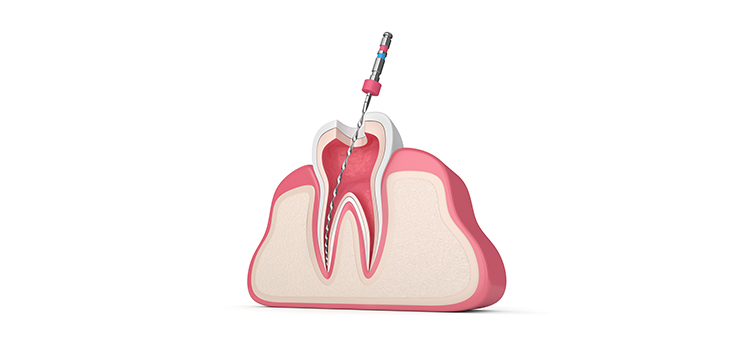
Root canal therapy, also known as endodontic treatment or root canal therapy, is a dental procedure used to treat and save a tooth that is badly decayed or damaged. This can ultimately result in inflammation or infection of the tooth’s nerve (the pulp), development of a dental abscess, or ‘pulp death’.
The procedure for root canal therapy involves removing the damaged or infected pulp (the soft tissue/ nerve chamber inside the tooth), cleaning and disinfecting the inside of the tooth, and then filling and re-sealing it.
Signs You Might Need a Root Canal
If you have been suffering from a toothache that won’t go away, particularly one that intensifies when you bite or chew, or persistent sensitivity to hot or cold (particularly heat), these are two of the most common signs that something deeper is going on inside the tooth; and may require root canal treatment.
Other common symptoms that could be signs of possible infection or nerve damage within the tooth that may require root canal treatment include:
- Persistent tooth pain (dull throbbing or ache)
- Tooth sensitivity, particularly to hot that lingers
- Swelling, tenderness, or the development of a small bump (similar to a pimple) on the gums near the affected tooth
- Discolouration or darkening of the tooth (greyish in colour)
Addressing these symptoms and raising them with your dentist early on can help identify the issues, save your tooth and prevent further discomfort.
Why Choose Root Canal Treatment Over Tooth Extraction?
Choosing root canal treatment over an extraction offers significant benefits, primarily by preserving your natural tooth. A root canal allows you to save your tooth, which is typically recommended over an artificial replacement unless the tooth is beyond repair and not salvageable. This preservation helps maintain your natural oral condition and prevents issues like shifting teeth, bite misalignment, and jawbone loss that can result from extraction.
Although a root canal may have a higher upfront cost, it can be more cost-effective in the long run by avoiding additional dental treatment costs associated with tooth replacement.
Post-procedure Care
Following a root canal treatment, it is common practice that a dental crown is recommended on the treated tooth to reinforce strength and restore functionality.
A root canal-treated tooth is generally weakened following treatment because once the inner pulp (nerve of the tooth) is removed, the tooth is ‘non-vital and more susceptible to cracking, chipping, or breaking. A crown, a custom-made cap that fits over the entire tooth, helps reinforce the structure, allowing the tooth to handle normal biting and chewing forces and protecting the tooth from the risk of fracture.
FAQ’s
The duration of a root canal treatment varies depending on the case’s complexity. Still, typically, it can be completed in one or two visits (2 to 4 weeks apart), each lasting about 60 to 90 minutes. There are cases where a third appointment (known as a second stage re-dress) will be required between the first and final appointment. This is generally required if the tooth is heavily infected/inflamed and needs more medication within the tooth to allow it to settle.
Root canal treatment is performed under local anesthesia, so you shouldn’t feel any pain during the procedure itself. It is common to experience some discomfort or mild pain for a few days after your root canal treatment whilst the tooth settles. Over-the-counter pain relievers like ibuprofen or paracetamol are usually sufficient to manage this discomfort.
After the procedure, you may experience some mild pain, sensitivity to pressure or mild throbbing, which should gradually decrease over a few days. It is important to follow your dentist’s post-operative instructions, including taking any prescribed medications (antibiotics or pain relief) and avoiding chewing directly on the treated tooth until it is fully restored with a permanent filling or crown.
Your dentist will usually recommend placing a permanent crown or filling within a few weeks of finalising the root canal to protect the tooth. Delaying this step can increase the risk of tooth fracturing as non-vital teeth become weakened.
While root canal treatment is highly successful, there is a slight chance of re-infection if the tooth is not sealed correctly or the restoration fails over time. Regular dental visits and good oral hygiene can help prevent this.
Root canal treatment is typically covered under ‘major dental’ with your private health insurance, but the extent of coverage varies depending on your plan. It’s advisable to check with your insurance provider to understand your coverage and any out-of-pocket costs before commencing your treatment.